Why Everyone Hates Performance Reviews (And How to Fix Them)
Performance
Updated on
February 17, 2026
by
Taryn Hart

X min
Performance
Updated on
February 17, 2026
by
Taryn Hart
X min
Performance reviews are being rewritten, not replaced. Why? The traditional annual model often fails at motivation and growth (hello, disengagement).
Employees want: no surprises, fairness (especially with pay), a clear path to growth, real opportunity, and recognition.
The modern fix is two tracks:
A simple, human-centered process includes: visible goals, consistent templates, recognition habits, career alignment tied to raises/promotions, using existing tools to avoid tech fatigue, and AI to reduce admin (with guardrails).
The performance reviews paradox: everyone hates them, but almost everyone still does them.
Performance reviews have been dying for a decade, and yet they keep showing up on calendars every year like clockwork.
That contradiction is the story of modern performance management. Organizations want something more human, more continuous, and more motivating while still needing a system that supports pay decisions, promotions, development, and (in some cases) tough calls about performance.
And that makes sense: organizations can’t run compensation, promotion, succession planning, or documentation purely on vibes. Even if you shift toward continuous conversations, you still need a moment of record.
But, here’s what performance reviews currently feel like to your teams:
So, how do we design performance reviews so they can effectively benefit both the organization and the employees, without them feeling bureaucratic and judgmental? Let’s dive in.
Most organizations still have some kind of formal review process in place. It usually involves an annual check-in, SMART goal setting, and keeping track of it all in a tool (HCM software, OKR system, Excel sheet, etc.)
“Success” depends on what you measure.
If the goal is documentation + pay/promotion:
Reviews are still used heavily (and sometimes aggressively), especially where organizations want consistency, legal defensibility, and structured comp cycles.
If the goal is motivation and growth:
Perception is often poor. Gallup has reported only 2% of CHROs believe their current performance management system works, and only 14% of employees strongly agree reviews inspire them to improve.
This also aligns with the global disengagement crisis which (surprise, surprise) dropped again in 2025. We’re seeing an even bigger drop among younger generations:

In summary – performance reviews are not as successful as they could be. This is mostly because:
This doesn’t mean “no one should do reviews.” It means the traditional design (annual, backward-looking, surprise-filled, manager-dependent) doesn’t reliably create growth or engagement.
So, what does?
Across Reddit threads, you see the same themes repeating:
Employees can handle tough feedback. What they can’t handle is late feedback.
When people describe being crushed or blindsided, the common thread is that the review delivered information that should have been addressed months earlier (in 1:1s, in the moment, or clearer expectations).
One of the most corrosive moments is when effort and performance don’t translate into outcomes, and the process feels like a black box.
A Reddit thread discussing calibration captures a common employee takeaway: reviews can feel like a “dog and pony show” when promotions/raises/bonuses don’t follow.
Employees want:
Otherwise, “needs improvement” becomes a warning without a roadmap.
Reviews matter because they affect pay, promotions, and future opportunities. When that link is fuzzy (or when reviews feel disconnected from rewards), employees disengage fast.
Employees get demotivated when they take on extra scope (like absorbing a former manager’s workload) and get nothing in return. Or deliver strong results and still receive a “meets expectations” rating based on criteria they were never told mattered.
And when performance management is used as a workforce-shaping tool, employees become more fearful and more performative, not more effective.
Stop trying to make one conversation do two jobs.
Performance reviews fail when we ask a single meeting to simultaneously be:
That’s too much pressure for one conversation, and everyone shows up armored.
Instead, high-functioning organizations separate performance management into two clear “tracks”:
This is where employees should hear the truth early so there’s no surprises later.
This is where calibration belongs – because fairness across the organization is a design requirement, not an optional feature.
So instead of abolishing reviews, most companies are building a hybrid:
This human-centered performance review process combines both tracks into 8 steps, designed to be simple and manageable:
Create a single, one-page description of your process that every manager can understand and follow. You should include:
This becomes your consistency anchor.
People can’t set strong goals if they can’t see what the organization is trying to achieve.
Build a simple goals stack (3 layers):
Put this in a shared document in your SharePoint/Notion/Confluence/Google Site, so it’s visible and accessible.
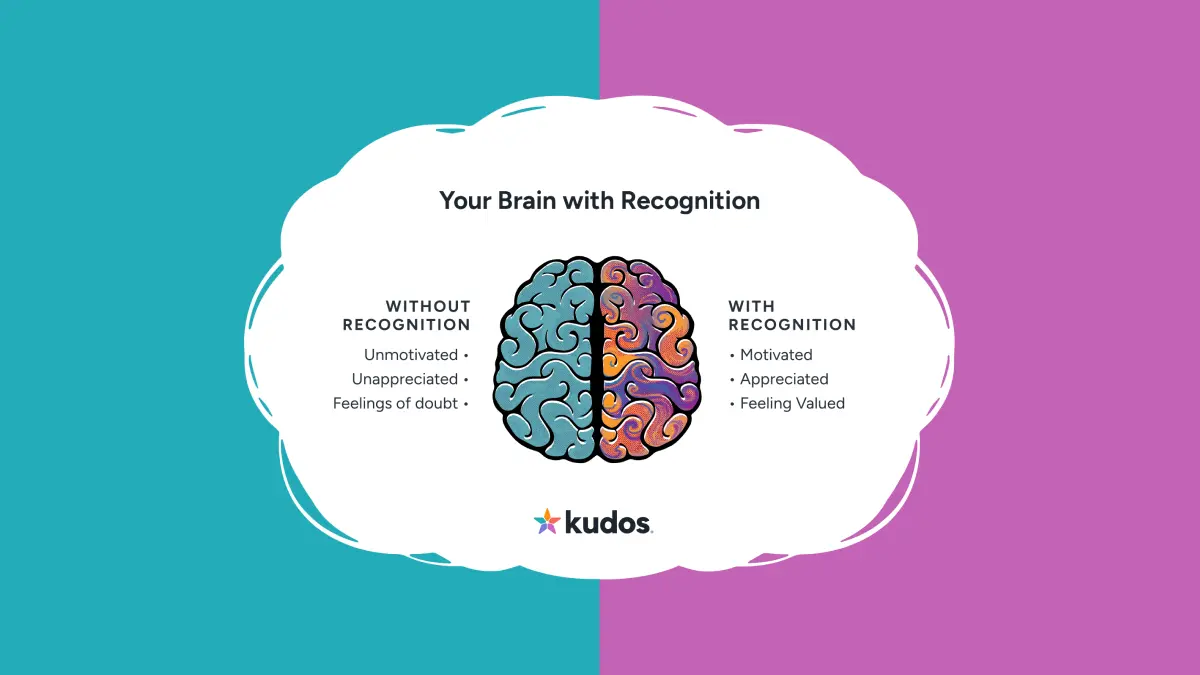
Because recognition works. Especially when it’s frequent, specific, and tied to company values and goals.
Minimum standard: Every manager gives 2 pieces of specific recognition per week (written is best as it creates a record).
Operationalize it:
Consistency comes from shared templates, not more than policy documents.
Build a quick template that everyone can use. This is what you send your managers to follow, so the process stays consistent across all teams. This template should define:
This is where most systems break: employees don’t know what “great” means or how it translates to advancement.
Create a simple progression rubric for each role family/level and add career alignment into every review:
Promotions and raises should be tied to:
Another roadblock to performance reviews is having to onboard everyone onto a new tech tool. Try and utilize what your organization is already paying for, and the tools your people are familiar with.
AI should reduce writing burden, not become the judge.
Best AI uses (low risk, high value):
Guardrails (non-negotiable):
Pick a few indicators so the system improves over time:
Performance reviews don’t have to feel like an annual surprise exam, or a meeting where everyone already knows the outcome but still has to sit through the script.
The best systems do something beautifully simple: they separate growth from judgment. They make coaching regular and low-stakes, and they make decisions fair, documented, and consistent.
If you take just one thing from this: your performance review isn’t a meeting. It’s a rhythm. A rhythm of clarity, feedback, recognition, and opportunity.
And when performance management is designed well, it doesn’t just measure work – it gives people a reason to keep bringing their best.



Learn the 5 pillars of engagement required to keep employees connected and build an exceptional culture.
Get Your Guide