The Art of Noticing: Has Our Attention Span Declined?
Recognition
Updated on
August 27, 2026
by
Taryn Hart

X min
Recognition
Updated on
August 27, 2026
by
Taryn Hart
X min
Our attention spans are shrinking; sustained screen focus has dropped from several minutes to under a minute.
Now add AI to the mix: AI's instant answers are cutting out even more of the sustained thinking we used to do, and weakening our muscle to notice.
The art of noticing: In a world optimized for speed and efficiency, the ability to genuinely pay attention has become rare. And the pace of modern work has trained managers to see output, not people.
The good news? Recognition tools can help. They don't replace the noticing, they make sure the moment doesn't disappear the second it happens.
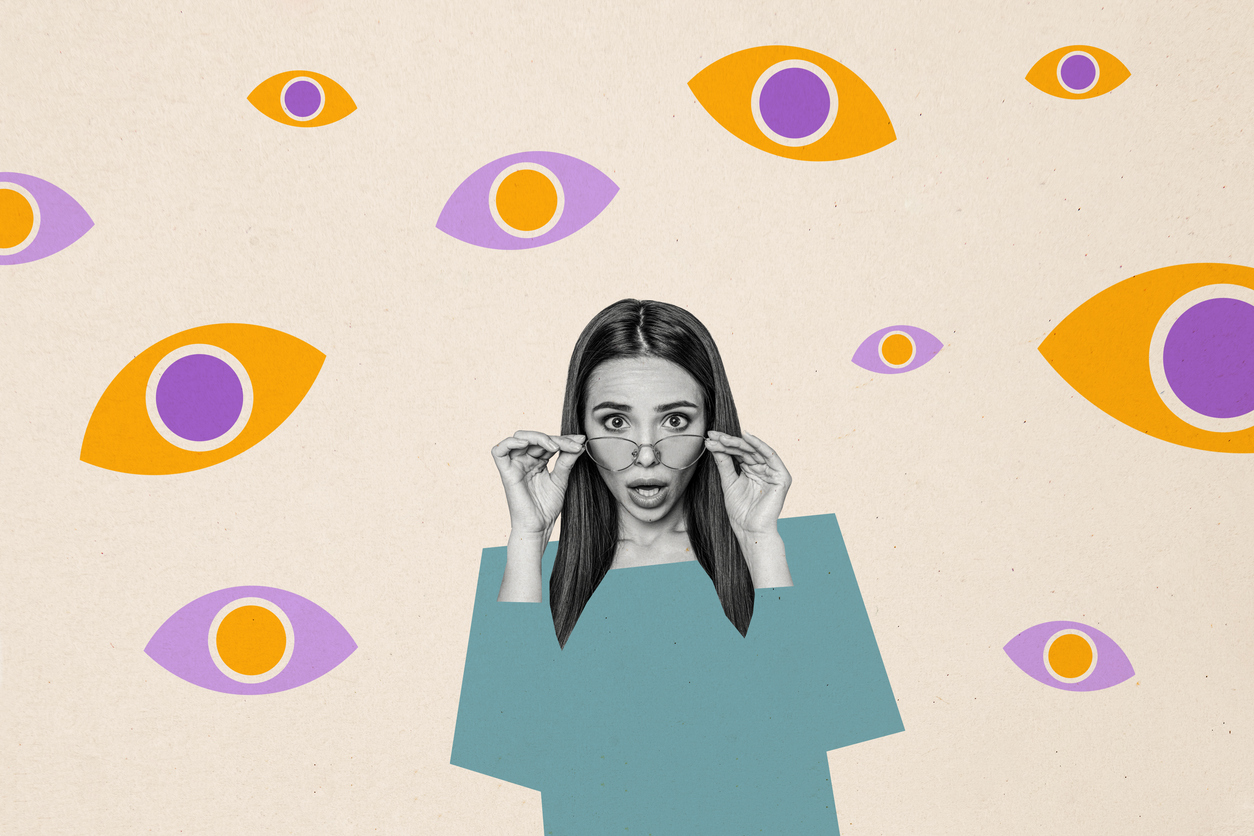
Gloria Mark, a professor at UC Irvine who has spent two decades studying how people focus on screens, has tracked a steady collapse in sustained attention — from several minutes on a single screen in her early research, down to well under a minute.
With AI tools, we can now summarize, draft, and pre-digest information before we ever engage with it ourselves. Which is useful, but it comes with a quieter cost: less practice sitting with something long enough to understand it.
The muscle that lets you read a room, sit through a hard conversation, or catch a subtle shift in someone's tone is the same muscle that lets you read a long email without skimming it. And it's a muscle that is getting less use than ever.
Someone might point to their ability to finish a ten-hour TV show in a weekend as proof their attention span is fine. But, a large majority of people are using their phones while watching TV. The show is on, the attention isn't. This is called second screening.
Duration isn't the same thing as depth. Sitting through ten hours of entertaining content because you want to, isn’t the same as having to sit through a lecture, or read a full research report because you were asked to.
A shift has happened in how we look for information. Finding an answer used to mean searching, clicking, reading a few competing sources, and forming your own sense of what was true.
That process — as slow as it was — was a repeated act of sustained attention. Now the instinct is to ask ChatGPT and get the synthesized answer immediately, no scanning reading, or research required.
None of this means attention is fundamentally broken. But, we’ve built an environment that rewards instant answers at every turn, even if those answers aren’t great.
This isn’t a trend — this is a global human shift in how much sustained attention we have available, and it’s showing up in every aspect of our lives: especially at work.
Managers are trying to lead teams while running on the same depleted attention as everyone else. Noticing isn't just harder because work got busier. It's harder because the basic human capacity for sustained attention is shrinking, at the exact moment we need it most.
In 2019, journalist Rob Walker wrote a book called The Art of Noticing, built around a simple but unsettling idea: in a world optimized for speed and efficiency, the ability to genuinely pay attention has become rare.
We're so busy processing information — scanning, skimming, moving to the next thing — that we've stopped seeing what's in front of us.
“Welcome to the era of white noise. Our lives are in constant tether to phones, to email, and to social media. In this age of distraction, the ability to experience and be present is often lost: to think and to see and to listen.” - Rob Walker
Rob mentions in The Art of Noticing, Saul Bellow’s concept of “first-class noticers”: people who have the exceptional ability to observe vital details in everyday life that other people completely miss.
Here are leaders who became successful from noticing:
Paying attention to the details that seem invisible to everyone else translates to: I recognize that this is something worth seeing.
“Paying attention, or making a habit of noticing, helps cultivate an original perspective, a distinct point of view. What we do with our attention, in short, is at the heart of what makes us human.” - Rob Walker
Somewhere on your team right now, someone is carrying something. A hard project. A hard quarter, a hard year, maybe. They haven't said much about it because nobody's really asked.
It's not that no one cares. It's that no one saw.
Noticing is the foundation of meaningful recognition. You can't acknowledge what you never noticed.
But the pace of modern work is inhibiting our ability to notice.
The average manager now has 12+ direct reports. It’s been coined the Megamanager Era.
Think about what a manager's day looks like now:
Every system built into modern work is designed to help you see output faster.
None of them are built to help you see your people.
You can run a team competently, hit every number, clear every review cycle, and still not really see anyone on it. Not because you're careless. Because nothing in your day is designed to help you slow down enough to look.
Organizations have gotten remarkably good at measuring performance:
We've built entire infrastructures dedicated to quantifying how people are doing at work. And yet, the moment that actually makes someone feel valued almost never shows up in any of it.
We've spent years building better ways to measure people, and comparatively no time at all building the capacity to see them.
Noticing is a muscle, and like any muscle, it gets stronger with use.
None of this requires a framework or a new process. It requires slowing down enough, often enough, to actually pay attention.
Here’s what the art of noticing looks like at work:
Remembering what someone was nervous about last week, and asking how it went. Most people forget the follow-up. The follow-up is the part that lands.
Seeing the person who always volunteers for the unglamorous task. Helping move an office to a new location. Coordinating activities at company events. The stuff that's essential, but sometimes not seen.
Catching the effort behind the result, not just the result itself. We tend to celebrate only the outcome, but the work that went in along the way deserves recognition too.
Understanding what’s clearly causing someone stress. Whether it’s a tool, a system, a team, a project — notice the weight something has on someone and offer support.
Noticing when someone helped without being asked. Jumped into a thread, covered a meeting, took extra initiative to solve a problem. The kind of help that's easy to overlook precisely because it was never requested.
Registering that someone showed up to something hard. A hard call, a hard week, a hard piece of feedback — and didn't fall apart. That's especially worth noticing.
A tool like Kudos ensures the moments you notice don't disappear and amplifies the positive impact of your attention.
You notice something worth acknowledging, and instead of it living in your head for a day before you forget, it becomes a message someone receives, visible to their team, remembered, real.
Kudos doesn't replace the noticing. It gives it somewhere to go.
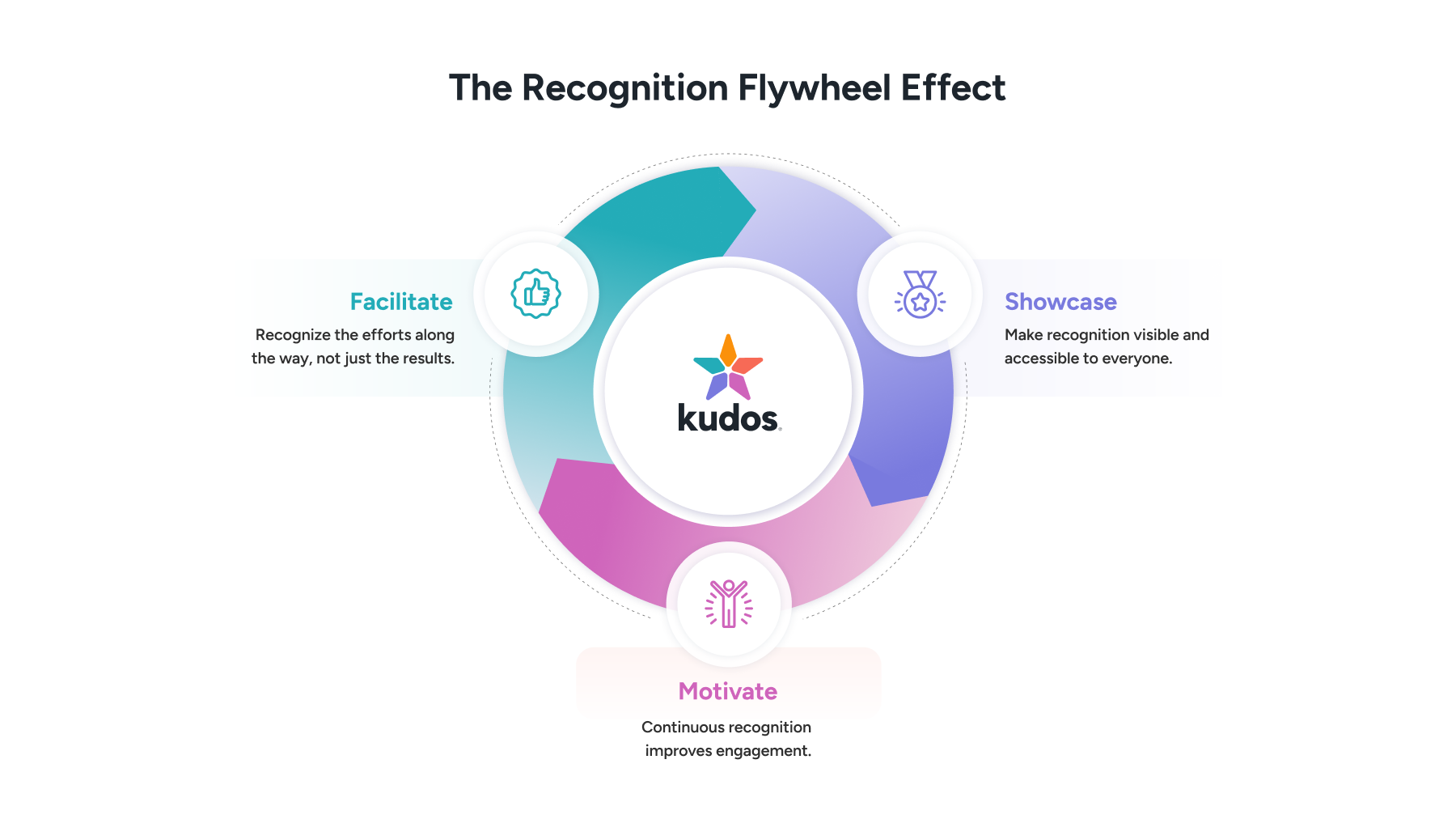
This is the visibility part of recognition that is critical. By facilitating recognition often and showcasing it to keep it visible, you motivate more of the behaviors and values you want to see in your team.
Change fatigue is real — organizations are pushing out five times more change than they were in 2016.
The organizations that survive this era with healthy cultures won't be the ones that changed the least. They'll be the ones that noticed their people clearly in the middle of it all.
Oregon Community Credit Union (OCCU) understands change well: significant growth, generational shifts, and trying to foster connection among remote and hybrid workers.
OCCU also understands the art of noticing. Join this live conversation with OCCU's people leaders on how recognition keeps their people connected through every change.